November 26, 2026
Managing monthly household expenses often feels like an unpredictable challenge, especially when seasonal temperatures reach extreme highs or lows. For the typical homeowner, indoor temperature control represents the largest portion of overall energy consumption. When an air conditioner or furnace struggles to maintain a consistent setting, utility costs can climb rapidly without an obvious cause. Many residents notice their power statements increasing each month while indoor comfort actually declines.
Investing attention into system performance offers immediate and long-term financial relief. Consistent upkeep keeps mechanical parts operating smoothly, preventing excessive power draw and unneeded operational cycles. By addressing hidden resistance within heating and air conditioning units, property owners create a more sustainable living space while protecting their monthly budgets. Routine care remains one of the simplest methods to eliminate unnecessary energy waste throughout the year.
Evaluating How Preventative Care Restores Operational Efficiency
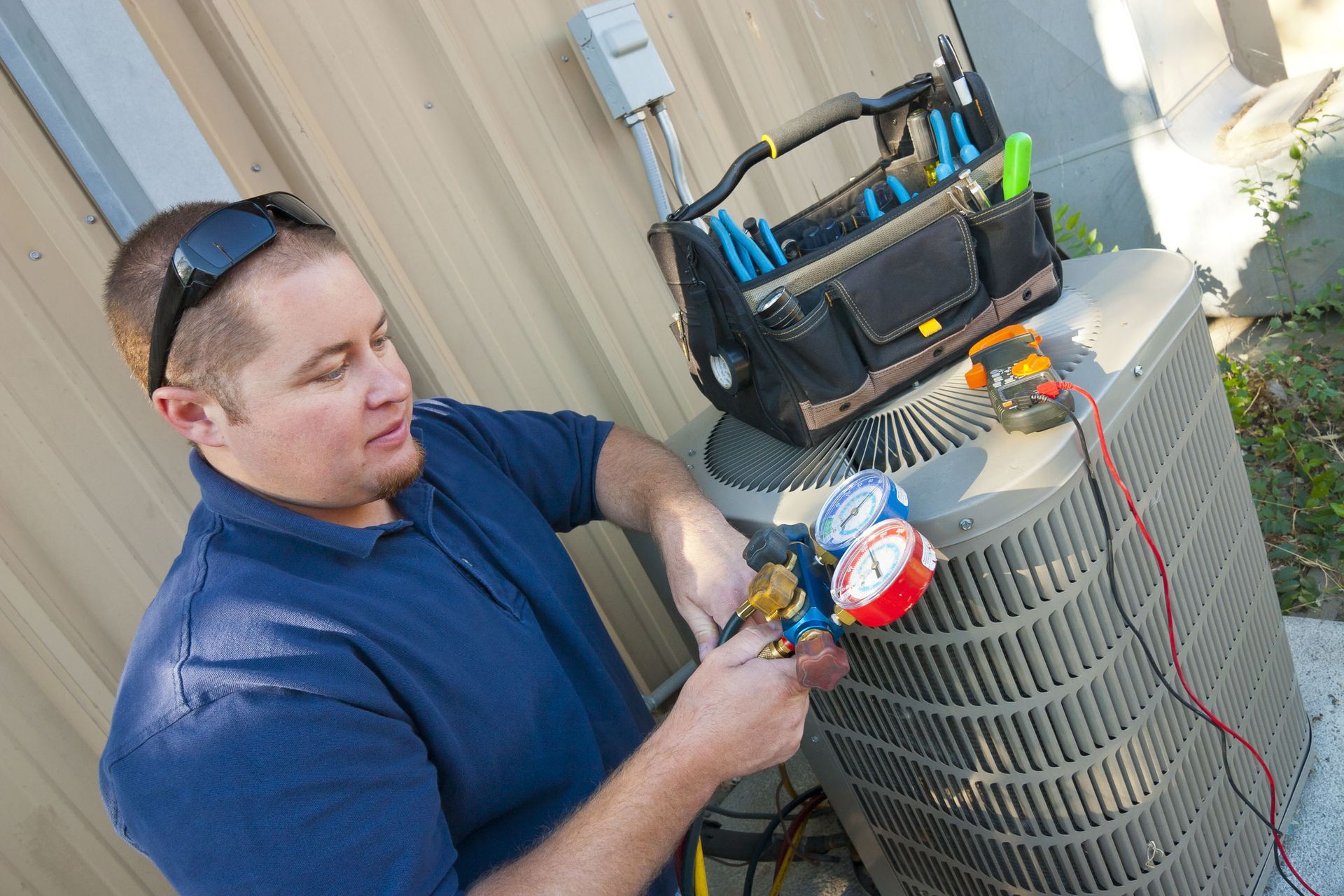
Heating and ventilation machinery requires balanced airflow, proper lubrication, and calibrated components to run properly. When any single element becomes compromised, the entire setup must consume extra electricity or fuel to produce the same cooling or heating output. Scheduling professional HVAC maintenance ensures that technicians evaluate these critical points before minor inefficiencies develop into expensive mechanical struggles.
According to research from Workyard, approximately one-third of property owners worry about the state of their heating and cooling setup, yet only 30% consistently arrange preventative tune-ups. This noticeable gap between concern and proactive attention explains why so many residences experience elevated utility charges. Neglecting regular care forces machinery to run longer cycles to reach target indoor conditions, which translates directly to higher power meters.
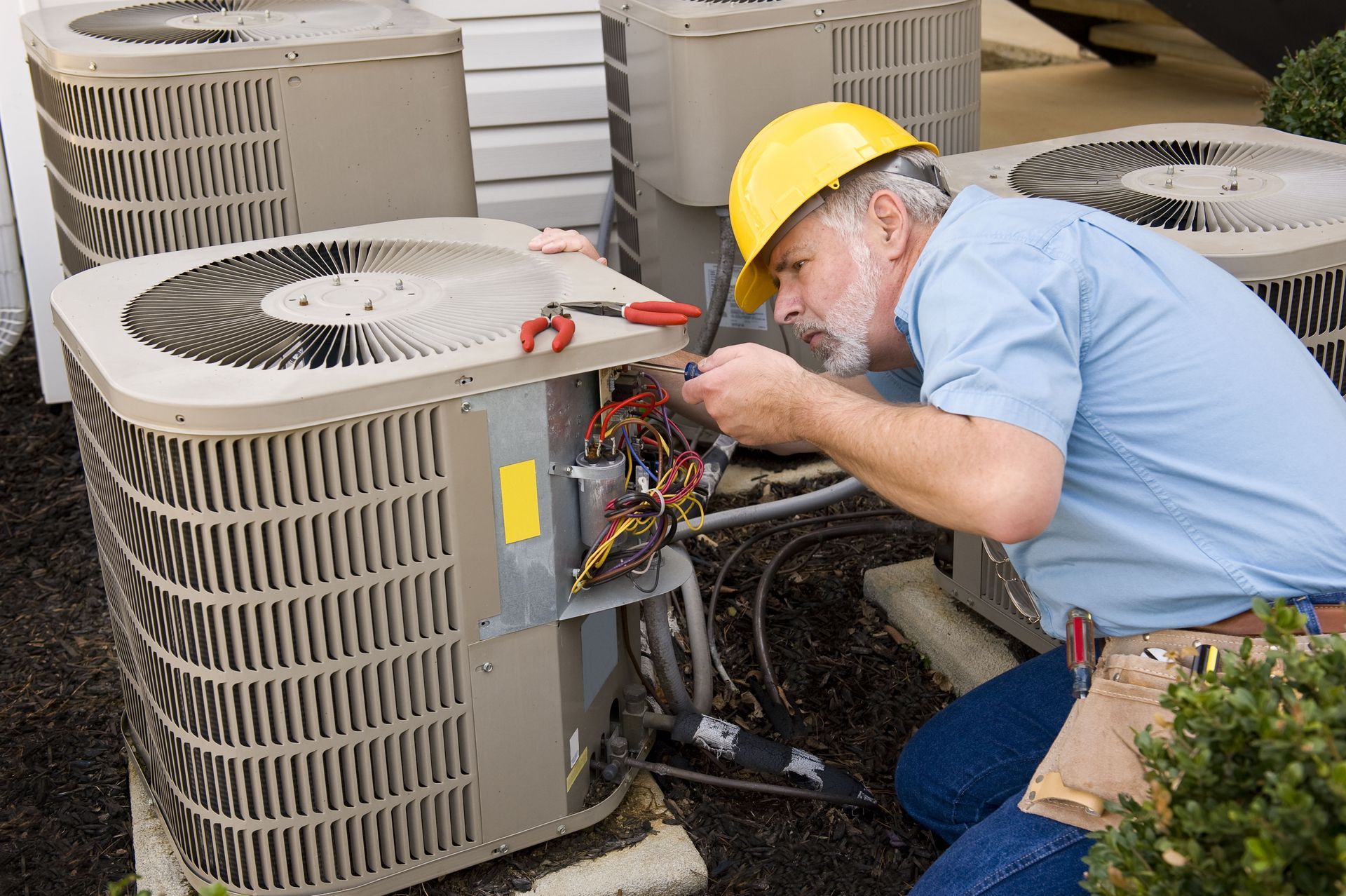
During a standard tune-up, certified technicians clean essential assemblies, verify proper electrical currents, and confirm that all safety controls function as intended. Removing dirt from internal surfaces restores optimal heat transfer, allowing air to reach target temperatures quickly. This efficiency reduces total runtime across peak afternoon hours. Regular preventative servicing bridges the gap between mechanical potential and daily performance, keeping overall operating expenses under control.
Inspecting Clean Coils and Clear Heat Exchangers
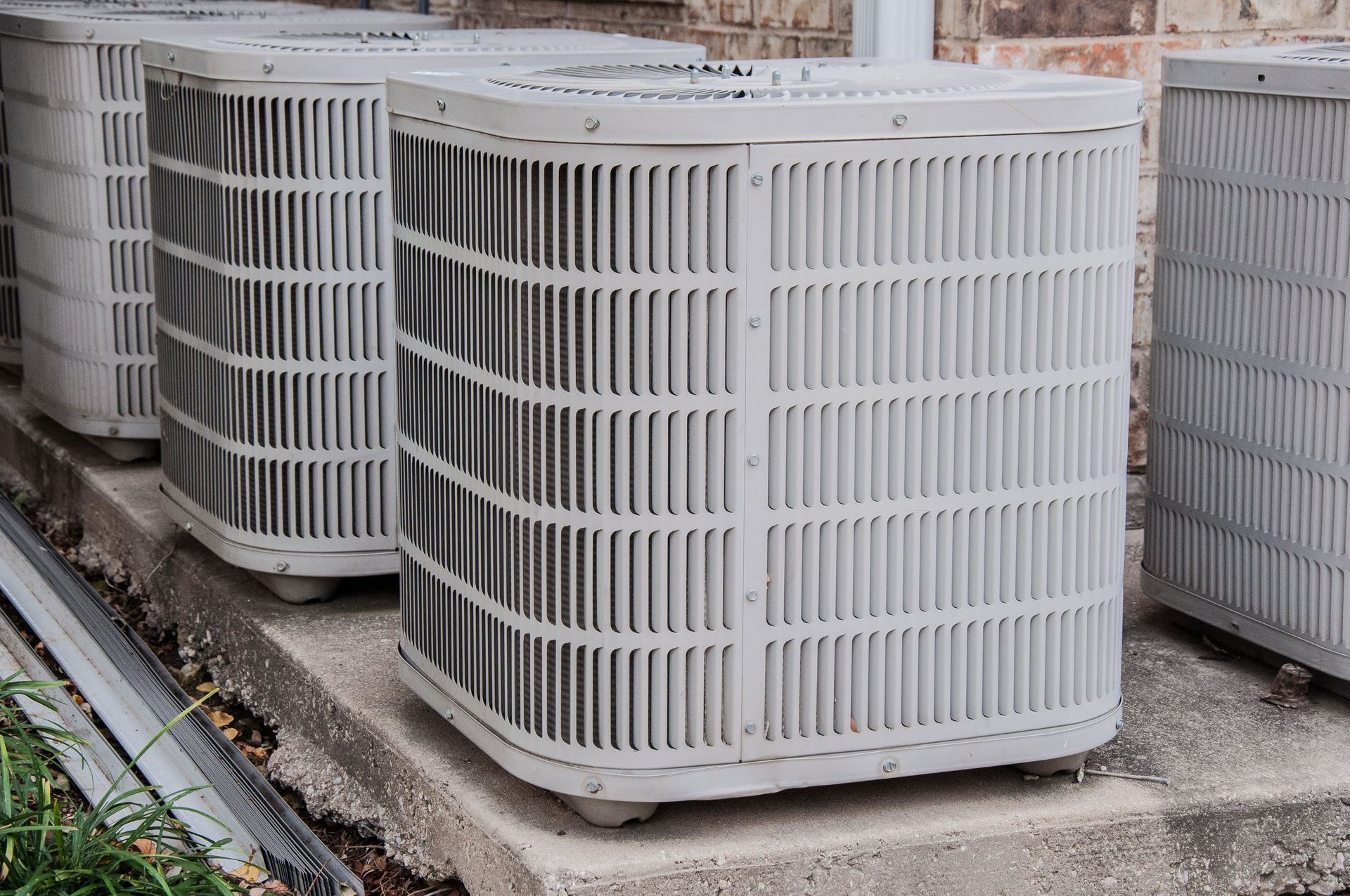
Evaporator coils and condenser coils serve as the primary transfer points for indoor heat. Over weeks and months of steady operation, outdoor dirt, airborne debris, and indoor dust coat these metal surfaces with an insulating layer of grime. This buildup blocks natural thermal exchange, forcing the compressor to run far harder to remove warmth from circulating air. Cleaning these coils during HVAC maintenance restores smooth thermal transfer, which quickly drops running amperage and cuts electrical consumption.
Furnaces and heating systems experience comparable strain when burners, igniters, and heat exchangers accumulate residue. A clean combustion chamber burns fuel far more efficiently and delivers warmth into duct passages without thermal loss. Technicians clean these critical surfaces thoroughly to safeguard proper combustion dynamics. Removing physical contamination ensures that every cubic foot of fuel or kilowatt of electricity directly produces comfortable living temperatures.
Calibrating Moving Parts and Mechanical Components
Friction remains an ongoing enemy of mechanical efficiency in residential blowers and outdoor fans. Without routine lubrication, motor bearings generate excess heat and resistance, drawing additional power during each continuous operational cycle. Technicians inspect motor shafts, belts, and bearings to ensure smooth rotational movement without mechanical drag. Minor adjustments to loose belts or misaligned pulleys can prevent substantial energy waste.
Electrical connections also degrade over seasons of vibration and temperature fluctuation. Loose wiring causes voltage drops and dangerous heat accumulation at terminal blocks, which degrades motor efficiency and stresses internal electronics. Tightening electrical contact points and testing operational capacitors ensures stable current delivery to heavy-draw components. Smooth mechanical movement and secure electrical circuitry keep power draw low and dependable.
Examining Additional System Factors That Drive Up Monthly Costs
While central machinery requires precise adjustments, auxiliary factors across the home also influence overall energy consumption. Air distribution pathways and control interfaces play equal roles in determining how much power a system requires to satisfy household comfort demands. When these elements operate out of balance, even modern machinery can consume excessive power. Addressing these peripheral concerns during comprehensive HVAC maintenance preserves whole-home balance.
Ductwork integrity, indoor air filtration, and thermostat programming all contribute to the overall workload placed on heating and cooling equipment. When airflow suffers restriction or leakage, conditioned air fails to reach occupied rooms efficiently, leading occupants to adjust settings improperly. By managing these interconnected variables, homeowners achieve steady indoor temperatures while avoiding erratic power consumption patterns throughout changing weather cycles.
Managing Airflow Resistance and Air Filter Performance
Air filters capture airborne dust, pet dander, and small debris to protect sensitive mechanical assemblies from contamination. However, when filters become overloaded, they create substantial airflow resistance across return air registers. A starved blower motor must expend extra energy attempting to pull air through clogged fibers, which spikes electrical usage and causes uneven temperatures across rooms. Changing filters consistently prevents blower motors from overworking.
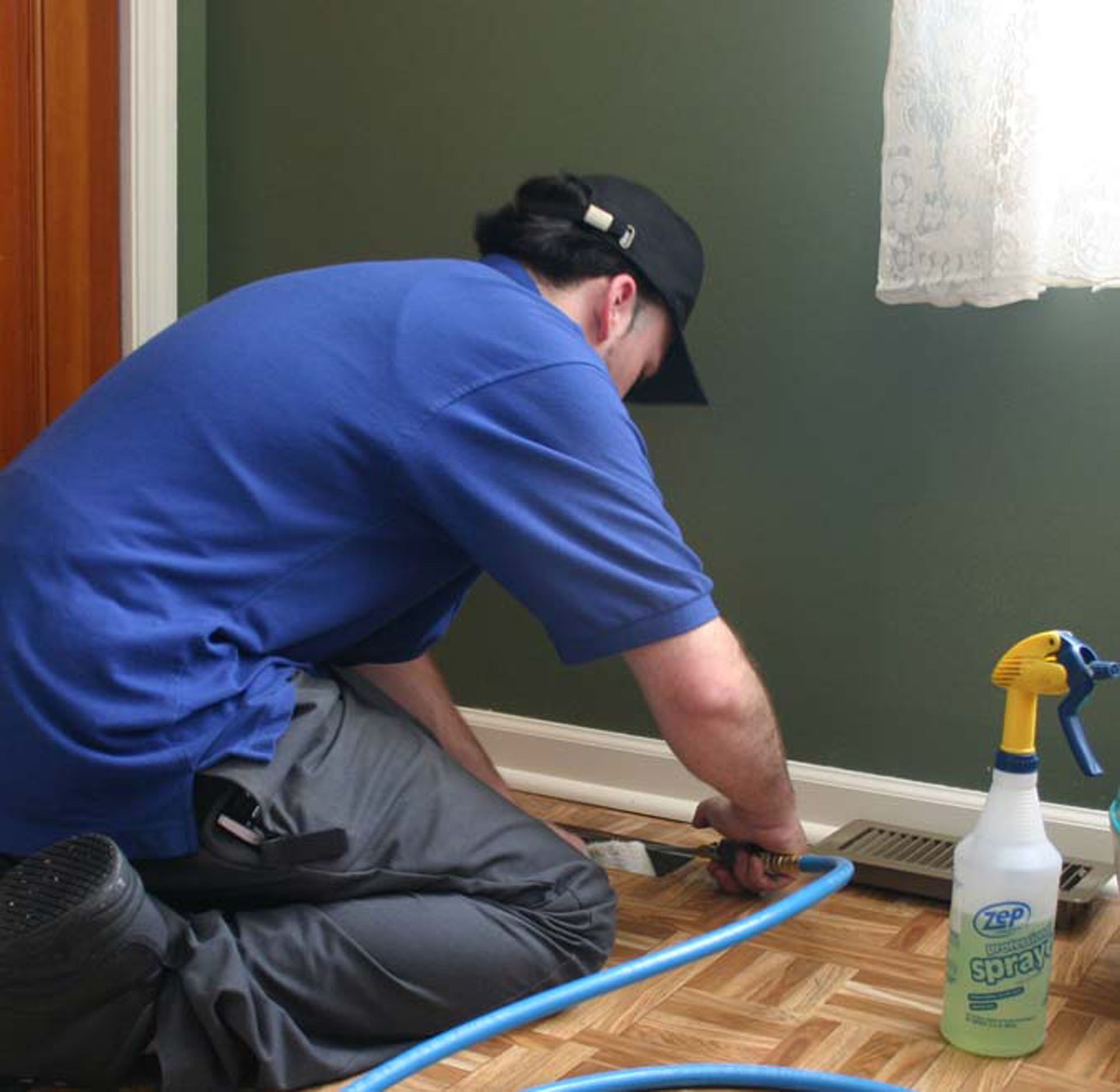
Duct passages can also develop leaks, loose seams, or disconnected joints inside attics and crawlspaces. Conditioned air that escapes into unconditioned spaces represents direct monetary loss on every single heating or cooling cycle. Technicians evaluate static air pressure within supply and return plenums to identify distribution issues. Ensuring balanced airflow distribution throughout the home allows climate equipment to satisfy thermostat settings quickly and shut off promptly.
Calibrating Thermostats and Temperature Control Devices
Thermostats dictate precisely when and how long climate systems operate. Over time, internal temperature sensors can drift out of calibration, reading indoor conditions warmer or cooler than actual ambient conditions. A sensor that misreads temperature by even two or three degrees can cause heating or cooling systems to operate for hours longer than necessary. Recalibrating control sensors during HVAC maintenance ensures cycling occurs only when genuine demand exists.
Modern programmable and digital control units offer valuable scheduling capabilities, yet improper configuration frequently negates their benefits. Setting continuous fan modes or erratic schedule changes forces machinery to start and stop repeatedly, generating peak electrical draws. Verifying proper control programming ensures systems cycle smoothly and take advantage of natural indoor temperature retention. Accurate temperature regulation stops unnecessary energy consumption before it begins.
Extending Equipment Longevity While Protecting Household Budgets
High utility bills often serve as an early warning sign that equipment is working under unsustainable mechanical strain. When machinery runs continuously against dirty coils, dry bearings, or restricted airflow, internal parts experience rapid physical wear. What begins as higher monthly energy bills frequently evolves into premature system breakdowns. Routine HVAC maintenance preserves critical parts, delaying the substantial expense of early equipment replacement.
A climate control system represents a major household asset designed to provide reliable service for over a decade when maintained properly. By scheduling regular seasonal checkups, homeowners protect their investment and ensure each component performs to its manufactured specifications. Clean, well-lubricated units experience fewer emergency breakdowns during peak summer heat waves and freezing winter nights. Sustained mechanical efficiency keeps operational costs predictable and manageable year after year.
Consistent attention also maintains superior indoor air quality and dehumidification performance. When cooling equipment operates at peak efficiency, it properly regulates indoor humidity levels, allowing homeowners to feel comfortable at slightly higher thermostat settings during summer. This subtle adjustment compounds energy savings across warm months. Taking proactive measures ensures that climate control systems deliver reliable, cost-effective performance across every season.
Prioritizing Preventative Care for Dependable Home Comfort
High utility bills do not have to be an unavoidable consequence of seasonal temperature shifts. By understanding the mechanical links between component hygiene, airflow dynamics, and power consumption, property owners can take charge of their monthly expenses. Proactive service eliminates hidden friction, stabilizes electrical draw, and ensures that indoor comfort remains consistent regardless of outdoor weather conditions. Preventative attention remains the most practical method for lowering ongoing utility expenses and extending equipment life. For property owners seeking reliable comfort and lower operating expenses through
HVAC maintenance, booking a seasonal service appointment with Same Day HVAC Inc provides the practical expertise needed to optimize system performance.